Looking back on life in nature in 2025
Well, here we are once again, bidding farewell to one year and preparing to enter the next! 2025 has been another wild and wooly (and feathered) year in nature here in the mountains, and it’s been great to share some of my adventures, images and knowledge with you all!
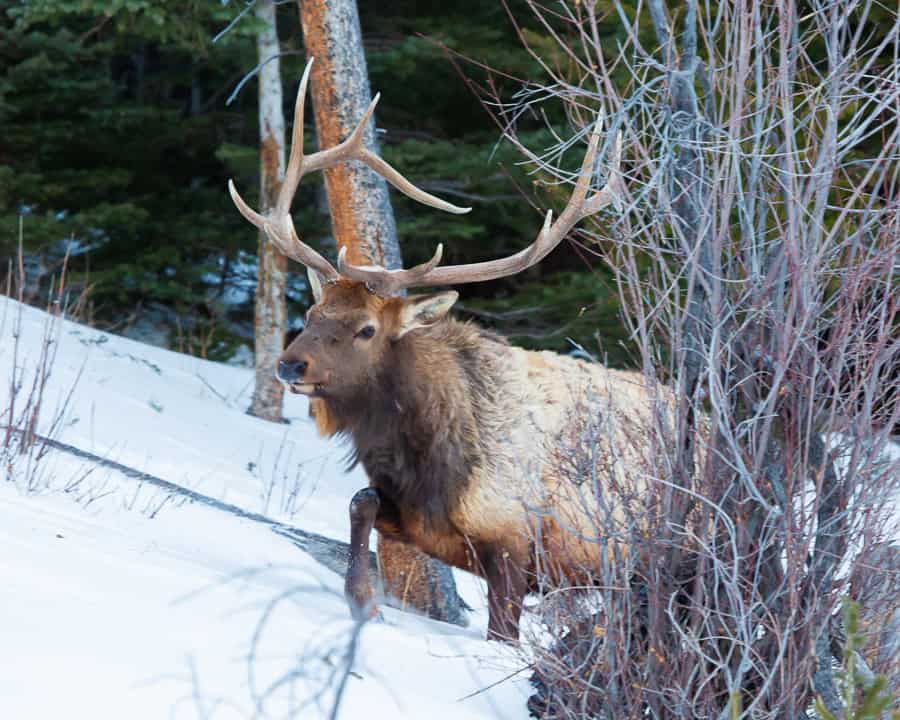
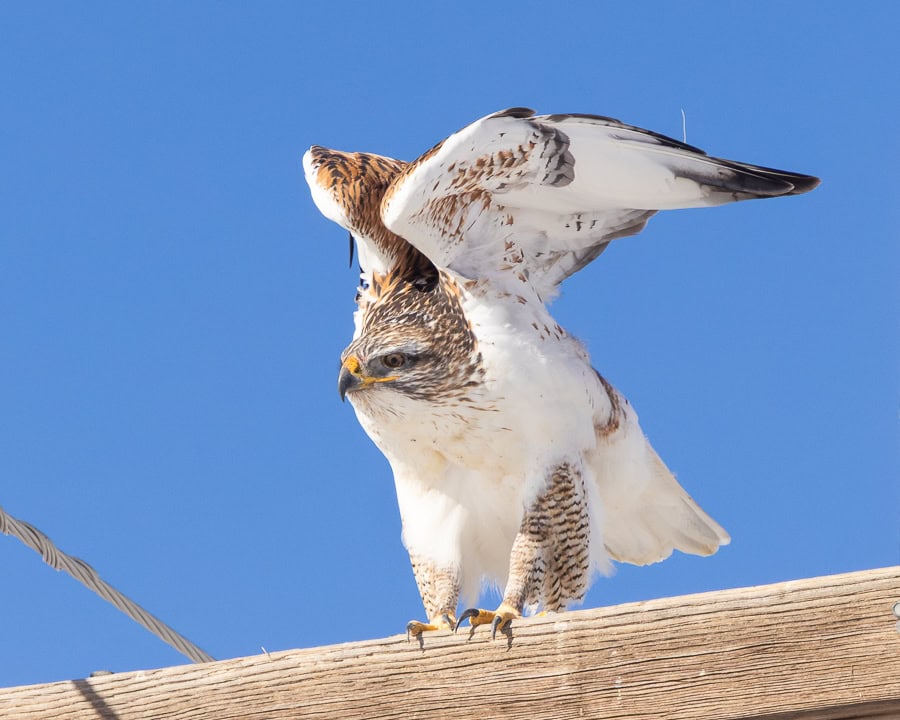
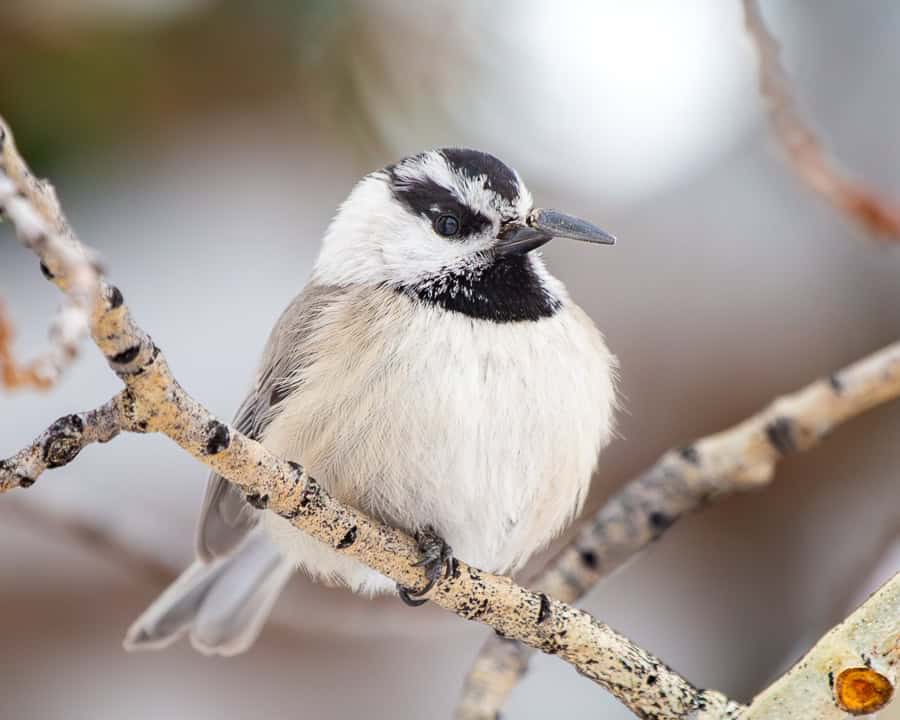
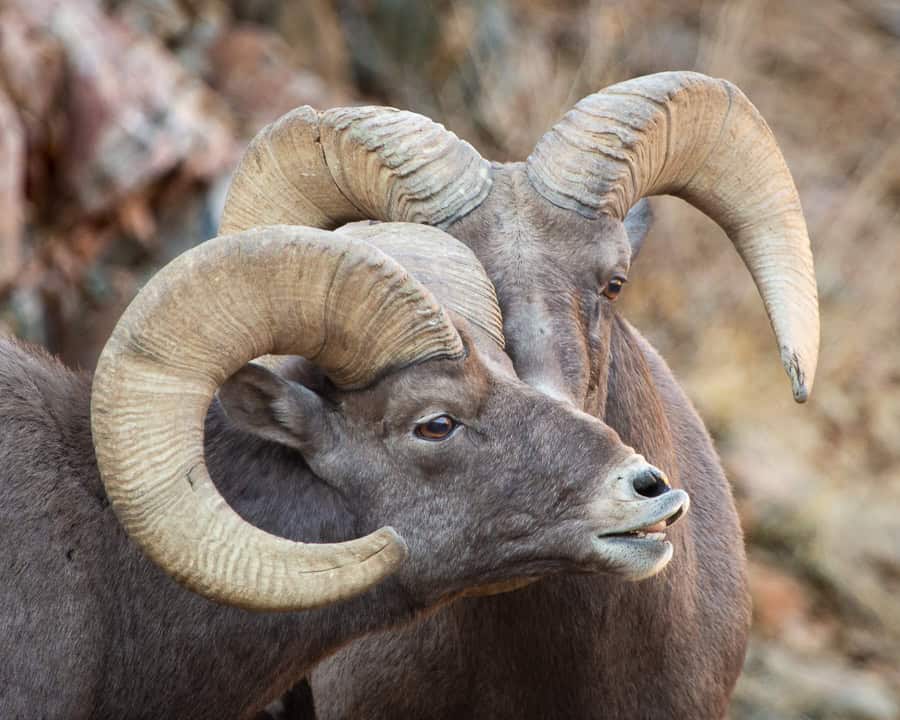
We covered a lot of ground in this year’s articles, from our favorite ungulates (bighorn sheep, elk and moose) to all manner of birds and the science behind their behavior. We also delved into philosophical ramblings about our stunning topography and geology as well as the big and small scientific realities of all life the higher one lives in our grand mountains.
We’ve also enjoyed some impressive displays of nature not covered in the articles. This year we had another spectacular showing of the aurora borealis, which was even better than last year’s appearance. We’ve also more recently been enduring some nature we’re not always happy with in the way of some VERY intense “W” events. I am writing this very article a few days in advance to meet the publishing deadline with an expected shutdown of power due to said natural phenomenon.
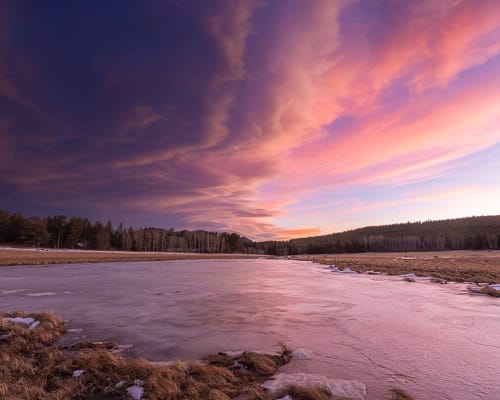
In fact, the image accompanying this week’s article features one of the rewards that come from those ever-so-blustery days. Sunsets painted on the stunning altocumulus standing lenticularis cloud walls that occasionally decorate our fall and winter skies are some of the grandest (and most psychedelic) displays we get to enjoy along the front range. These clouds are formed specifically due to “W” events, and their wild beauty is quite a spectacular gift in exchange for the extreme intensity of the events themselves. Alas, I wished for a bit more snow in the image, but nature has had different plans for this year’s winter so far.
Know that while I’ve gained a lot of knowledge over my years regarding nature and wildlife that I love to share in these articles, I am also often learning and sharing my own newly gained knowledge as well. In any genre of photography, it is important to study one’s subject(s) to best know how to photograph them. Using wildlife as an example, studying behavior provides the knowledge necessary to predict just how an animal will react in a given situation, thus being able to position oneself better and know the best moments to click that shutter.
When it comes to the articles, much of the information I convey has come from years of gathering that knowledge. That said, when I am researching my article subjects, I often discover things that are completely new to me, often giving me cause to completely change direction in my writings. As I’ve mentioned in a few of my articles, there is so very much of our natural world that we have yet to understand the “why’s and how’s” of. The scientific knowledge discovered and theories being postulated provide not only stunning insight into potential answers to the mysteries, but also open doors to new questions and new mysteries, and so we travel down the road of learning and growing.
I say this so that you may know that I am just as much on the journey of learning and appreciating the knowledge, insights and inspirations our natural world provides as all of you are in reading about them. Nature is a gift, the greatest gift, and we are incredibly blessed to call this beautiful mystery we call a planet our home.
As we move into 2026, I look forward to not only learning more but also sharing those discoveries with you all. I also urge you, as always, to get out there, enjoy our natural surroundings, and make discoveries of your own as much as you can. Even be it simple, short walks in our neighborhoods, keeping eyes and ears open to the happenings of life outside the human realms can be not just rewarding in their insights, but also healing if needed.
There is a well-known Lakota proverb that states “When a man moves away from nature, his heart becomes hard.” Society now more than ever could use a softening of the heart, and experiencing nature firsthand is a beautiful way to help make that happen. I will accompany the last quote with another, “If you listen close at night, you will hear the creatures of the dark-the owls, the crickets, the night birds-and you will hear beautiful songs, songs you’ve never heard before. Listen with your heart. Never stop listening.” ~Henry Quick Bear, Lakota.
I hope you can walk into 2026 with even just a little more knowledge of our stunning home here in the Rocky Mountains. Even if your only gain from these articles is a story and a picture that brings a smile, I am heartened to know that nature has brought a little light, a little insight and sometimes a little humor to your heart. Walk into the new year with that open heart (and mind) and never stop listening with it.
See you all next year!
(note for those readers new to the area or not living in the area at all as I also post these to my website and am now also being published in Florida, the “W” I refer to is wind. We locals just try not to say the actual word, thus invoking its fury…)
Originally published in The Mountain-Ear