A look at the frisky winter mating season of red foxes
While winter activity in the wild might seem to hunker down for the season, life still goes on. Animals still need to forage, sometimes nests and dens need repairs after big storms (especially if the “W” is involved, as we all know well), and existence itself needs to be perpetuated. As we are currently “in the season”, this week’s article looks at our furry red fox neighbors and their winter mating season habits.
The fall ruts of our ruminants (the deer, sheep and goat families) tend to see the most “popularity” in terms of observation. That said, many other animals take their pleasures throughout the next few months. Shorter gestation periods combined with a need to maximize reproductive success dictates mating throughout the long mountain winter.
It bears noting that statistically, humans are no different. It has long been understood that winter, and its accompanying storms, produce a plethora of late-summer birthdays throughout temperate or colder regions of the earth. The joke being, one’s got to have something to do to stave off that cabin fever or get through that power outage… While we tend to forget, we too are simply another animal on this planet.
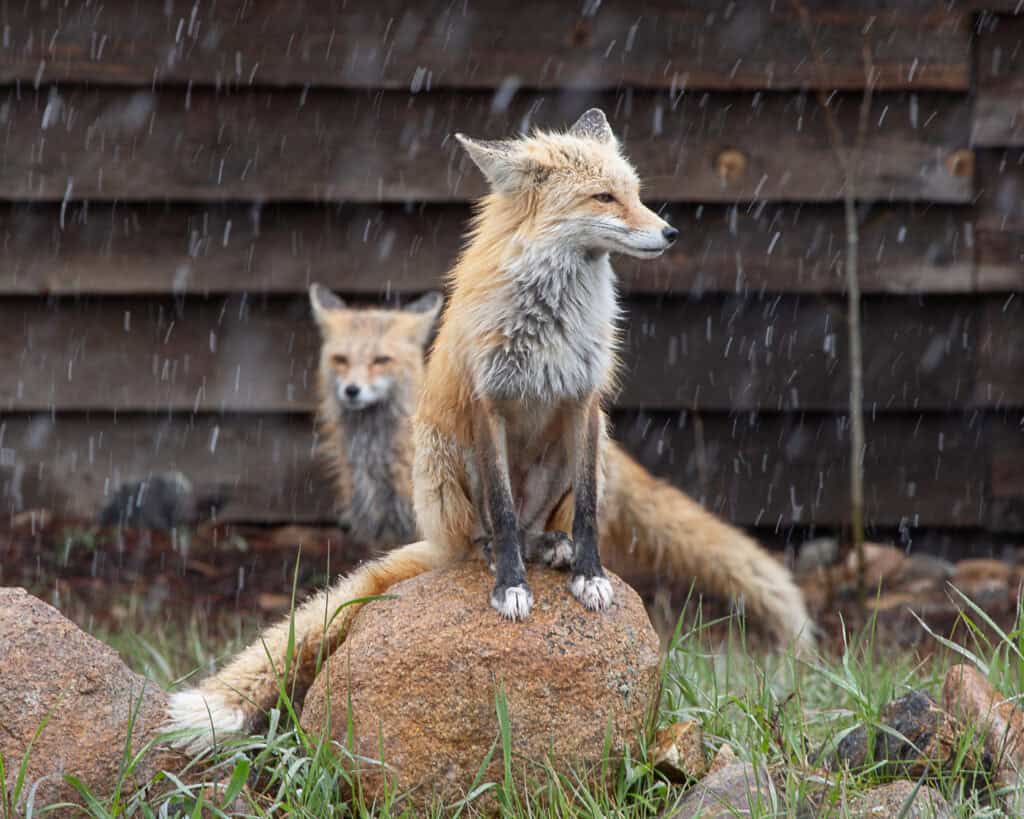
As foxes tend to inhabit places near or among humans, their mating activities may be more noticeable to us than other species. This is not to say you should expect to see rampant explicit activity throughout your day-to-day living, but you might notice a slight uptick in sightings or other signs.
A common tell is an increase in nightly calls to mates in the way of yips, screams and barks. For those new to the area and unfamiliar with fox behavior, know that some of these calls are commonly mis-identified as the scream of a mountain lion. While it can be an eerie sound in the dark, what you hear is nowhere near as chilling as the feline variant. As one who has had many night-time experiences with both creatures, trust me, once you’ve experienced a cat screaming nearby you will forever know the difference.
As foxes often don’t den unless expecting a litter, you may also notice them taking an interest in your shed or burrowing under your home. While they do sometimes make their own dens, it is quite common for them to use another animal’s space. This includes humans if a home or out-building has access to space under the structure. It is also common for foxes to re-use a den from year to year if they deem it to be safe.
This habit of denning around humans may also find you observing more hunting activity near you. Throughout winter, hunting tends to take place during the day, as prey (typically rodents) is far more likely to be inactive at night than during the warmer months.
Please know that if you see this activity, understand that they are in no way “starving” and do not need any “help” in the way of feeding. Foxes are incredibly adept at hunting in the snow. Utilizing superb hearing, they can pinpoint prey under feet of snow with deadly accuracy.
In my 30 years here, it astounds me how many times I’ve had people casually tell me they feed their fox visitors. Not only are you putting their survival at risk, but you are also inviting FAR more pests to your area. Simply put, a fed fox will hunt less. It is always ironic to hear some of these same folks complain about the voles in their yards and gardens…
If you happen to notice any of this activity near your own home, know that you might have some entertainment coming your way in a handful of months. Fox kits are incredibly delightful to watch as they frolic about their dens. I’ll also mention I am always happy to get invitations to photograph their fun from respectful distances (I also generally provide a free print or two if anything good comes from the sessions, *wink* *wink*).
For now, sleep well through the barks and yips. Enjoy the free entertainment and pest control if they are hunting your rodents. Give them space to live their lives and savor the gifts of nature we have the opportunity to observe in out little slice of paradise.
Originally published in The Mountain-Ear