A look at the seasonal survival of our hummingbirds
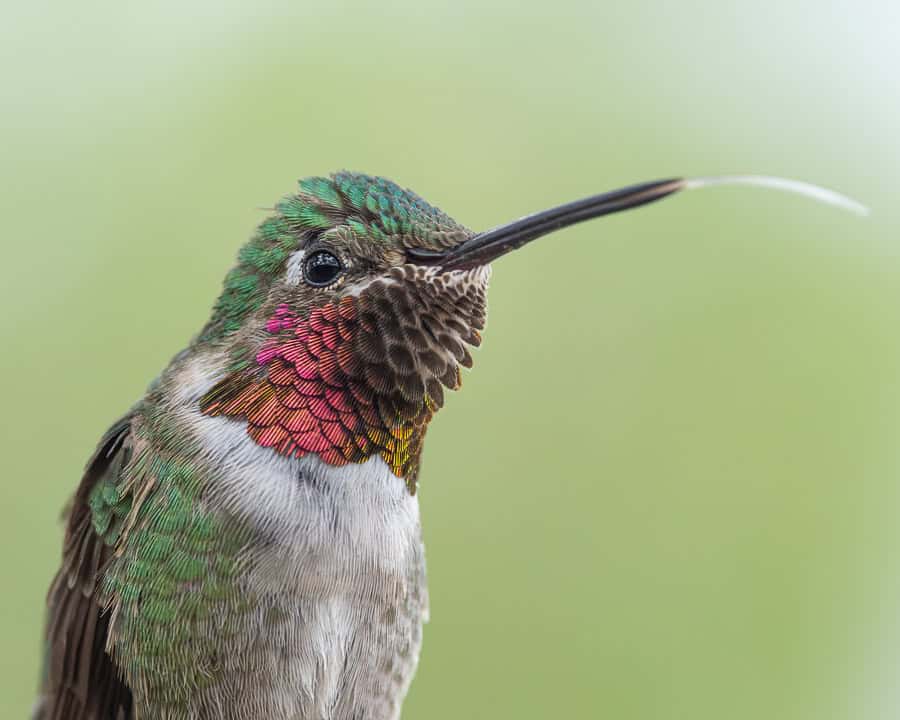
They’re here! A few weeks ago, reports started trickling in along the front range, the small first wave of Broad-Tailed hummingbirds had arrived (or were at least passing through on their way further north). Within days, sightings (and ears caught by that famous wing drone) came in from spots along the Peak-to-Peak. As of publication of this article, the first permanent residents are now fully settled in and regularly hitting the feeders!
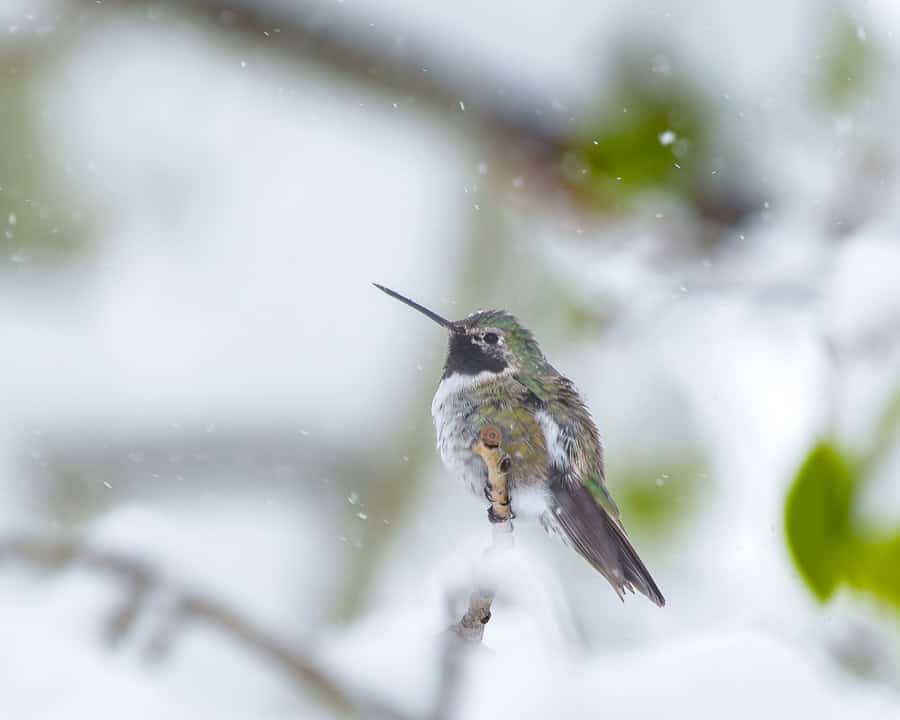
While many have stated that they are unseasonally early, I’m not so sure that is the case. Without digging deep in the photo vaults, I do feel as though they are about “on-time”, and while maybe a few days to a week or so earlier than average, not something to cause alarm.
The main reasons for migration instigation tend to be theorized as food scarcity, the need of optimal nesting areas for breeding, and the most understood factor (and a reason for much of nature’s seasonal changes in life patterns with animals), available daylight. An increase in daily sunlight acts as a sign to make moves, and likely triggers hormones that signify the impending time to breed.
Being a newer concept in the timeline of scientific study of birds, climate change may well be a factor as well, but that has yet to be considered a definitive cause for the movement. Regardless of the cause, they are here relatively on schedule, signifying another step in the signs of spring’s return to the mountains.
Know that while the term is commonly used, there is no such thing as a “scout” when it comes to these first arrivals. No bird (or any other creature for that matter) is going to travel thousands of miles to “inspect” conditions, then head all the way back to let the others know all is okay to migrate, and then make a third trip back with the “flock”.
For those new to the area, it also bears noting that these arrivals are typically not adversely affected by our weather. While it does seem counter-intuitive for a bird that spends its winter in the tropics to arrive in the often still-chilly and snowy mountains, these things are par for the course. They’ve been making this trip and enduring mountain spring snowstorms far longer than we humans. Some species happily settle as far north as British Columbia and Alaska for breeding, so we’re a cakewalk compared to that far north.
The birds utilize a common “tool” for surviving the colder nights known as torpor. This is a temporary state of hibernation whereby they slow their heart rate and metabolism down dramatically and fall into a deep slumber to get through the night. As the sun rises and warms them back up, they awaken and return to their normal activity.
While I have yet to witness it myself, they do sometimes comically fall upside down in their deep sleep. The tendon locking mechanisms in their tiny feet keep them gripped to their perch, and they simply hang upside down like miniscule bats until warmed back into the awakened state.
As a note of reference of this incredible tenacity, the attached photo was captured in May 18th of 2017, well after the main bulk of the migration had arrived. We had received a late-spring storm that brought as much as 4 feet in some places. It was quite surreal shoveling off the deck and clearing the feeders every few hours to the buzz of well over 100 birds trying to keep their inner warmth up with food.
For myself, it was yet another amazing indicator of the stunning hardiness (with a touch of crazy) of such a diminutive creature. I mean, who in their right mind travels thousands of miles “on foot” from a tropical utopia to a land still gripped by the last of winters clutching grasp? A great example of the age-old adage for mountain living, we’re all here because we’re not all there… (and because it IS paradise!)
Originally published in The Mountain-Ear