A little PSA on our new moose babies and their mamas
As of article publication, we are deep in the season of new life coming into the world, and a big one happening right now is the calving of our moose neighbors. I thought it might be apropos to focus this week’s article on a couple helpful safety measures.
In general, moose are statistically the most dangerous animal we have as neighbors here in Colorado. That said, in my own experience with these majestic creatures, the ones to watch out for are the mamas. This isn’t to say that precautions can be tossed into the winds with bulls, but simply that you are far more likely to have a negative experience with a cow, especially if she has offspring in tow.
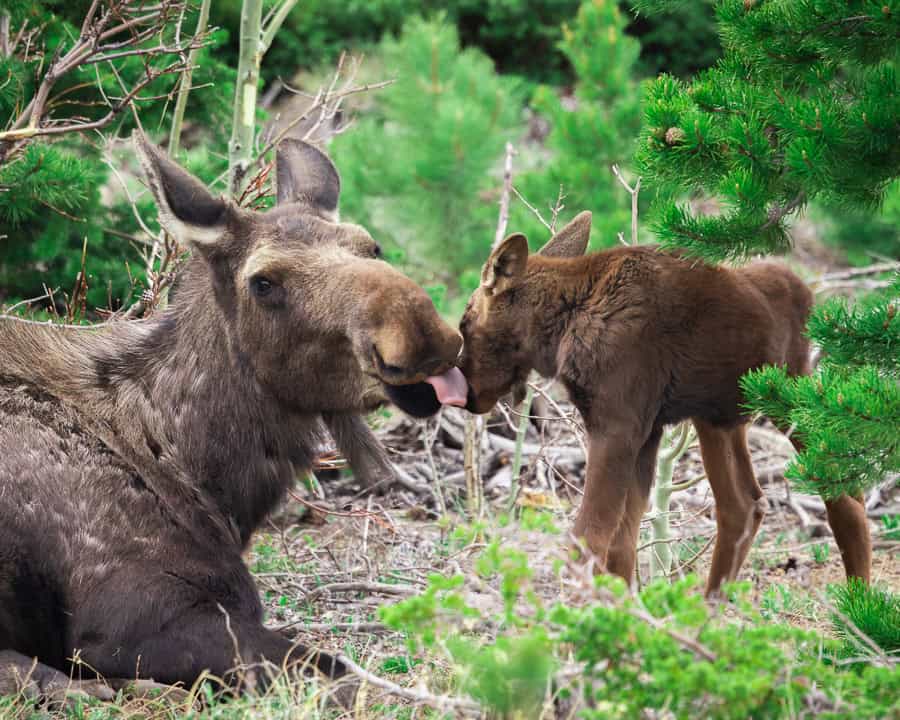
While elk and mule deer tend to be more reclusive of humans in general, moose don’t hold the same apprehensions. This extends to birthing, where a cow may well choose a human yard or near a hiking trail as a safe spot to commence the act. This requires extra vigilance on our part to minimize potential problems.
If a yard is chosen, it is of paramount importance to be aware of her and the baby’s location when coming and going or simply letting the dog(s) out to play. As they may stick around for a few days after the baby is born, this is not a creature that is easily “shooed away”, so be prepared to change your routine a little to accommodate until they move on.
If out on a trail, it is always imperative to keep a sharp eye out any time of the year, but in calving season, it can mean the difference of a great morning or a potential trip to the hospital. Even on trails where it is permissible to have a dog on voice command and off leash, keeping them restrained and leashed should be a top priority.
A dog (or dogs) off leash running amuck as they love to do may well rile up a mama who is bedded down with her baby and unseen by you while hiking by. A moose will likely see a dog as too close to a wolf (one of their only major predators aside from grizzly bears and humans) and a threat, but it is more likely that the moose will charge the human. Like the adage about avoiding an attack by a bear simply by hiking with slower people, the dog is far more likely to run away and avoid contact, leaving you as the next biggest threat to mama.
Last summer I found the mama and baby in the accompanying photograph in the West Magnolia area. Mama was bedded down and mostly content, but it was surprising to me how close she chose to be to a heavily trafficked trail. They were only 20 yards or less away from the trail, but tucked in and unseen by everyone passing by. As mentioned above, they don’t go far during the first week after birth, but I would have thought she’d have chosen a spot a little further from humans.
Thankfully, while I was present, the folks who did have dogs kept them leashed, but it was obvious from the dog’s behavior that they knew there was something big nearby that needed sniffing and investigating. It could well have turned very dangerous very quickly for all involved had they been off leash.
Because a baby can’t move far, know that a riled-up mama is not likely to leave after a bad encounter. While you may be following all the precautions listed above, and even hiking or biking alone, if you run into her in this state, you may become an unintended victim.
A couple of years ago there was a situation that ended up as a violent attack by a mama near a trail. Things apparently got dicey with an early morning hiker who ended up using pepper spray to deter her. Time passed, but mama hadn’t, and it was another person not involved in any way who paid the price. She was already furious, and another human was simply the last thing she needed, and she let loose in a bad way.
All of that said, watching babies in the wild is an incredible treat, and these gangly and wobbly ones are no exception. Just pay extra attention when you’re out and about. Be prepared to give an even wider berth than usual, and keep those doggos leashed. Otherwise, find a safe spot, sit back, and get ready to have your heart melted.
Originally published in The Mountain-Ear