A look at the separation of the sexes
Over the few years of writing these articles, I’ve covered some of the basics regarding rut/mating seasons several times with various animals. In all cases, as well as with much of the mammalian kingdom, one major factor lingers in the background. The males of the species are reunited with the females.
It is understood that only about 30% of all mammals world-wide live in social groups, but those numbers include situations like herd animals where the adult males live most of their lives separate from the females and young. Within social groups like coyote and wolf packs where the sexes are mingled throughout their entire lives, social order and hierarchy tends to be quite strict. This helps to limit in-fighting that can lead to unnecessary injury or death.
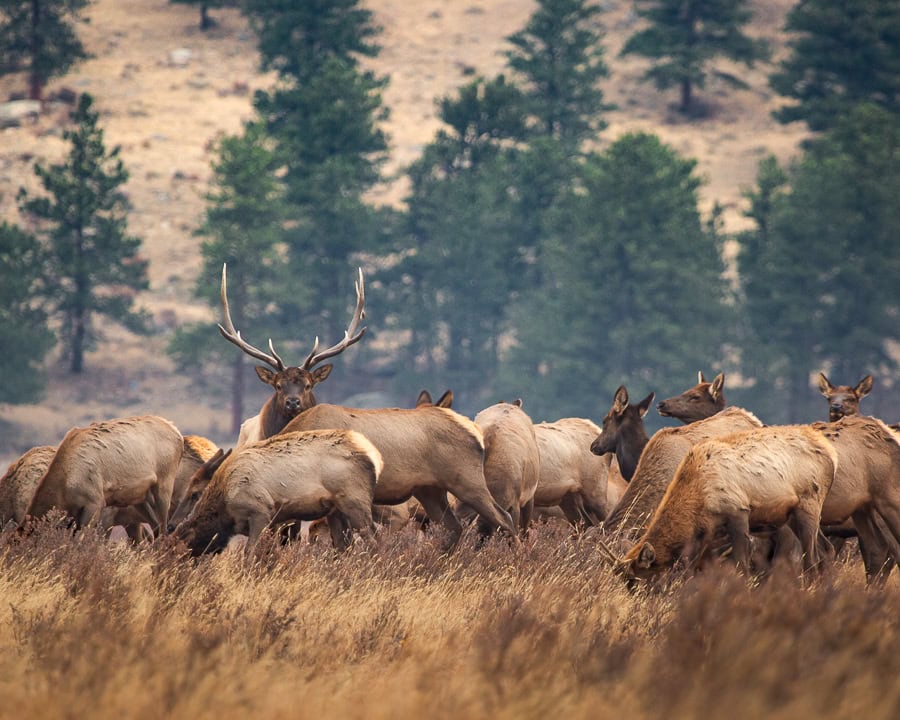
Ultimately, separation of the sexes is a behavioral development that evolved to improve overall species survival. Males of any species tend to be more competitive and aggressive due to testosterone levels. Competition, especially that which grows into potentially dangerous aggression, is detrimental to species survival, especially when it comes to maintaining territory.
On the extreme end, we know this in having studied bears whose males are known to hunt and kill even their own offspring. The young are seen as threats to the elder’s territory and general prominence, even as babies. From the standpoint of a dominant elder male, said potential competition simply cannot exist.
In the case of herd animals, an additional theorized reason for this separation is to maximize food availability. Survival of the young is imperative to the overall survival of a species, and thus any reduction in potential food scarcity is paramount. The addition of adult males in a herd simply equates to more mouths to feed within a given territory.
Throw in the realities of testosterone-driven dominance and it simply makes sense to reduce potentially violent interactions over a food source by way of separation. Putting it bluntly, the males are ultimately only good for reproduction within the society. Beyond that, they tend to be more of a burden and nuisance that can ultimately lead to conflict and a threat to overall herd sustainability.
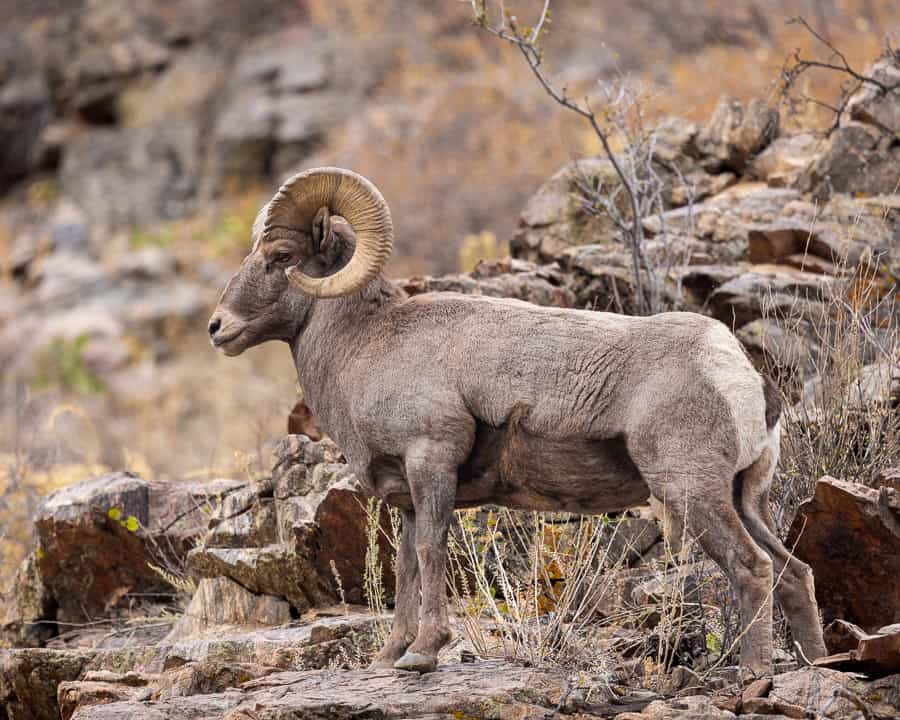
Herd animal males do tend to form bachelor groups, mostly for survival in numbers. Even so, there can still be discord among those brotherhoods. We often tend to equate the fierce battles of bull elk or the headbutting of bighorn rams as rut behavior, but these actions are performed all year round. “Practice” though it may seem, this sparring is also largely about maintaining social structure and hierarchy, with the added twist of testosterone fuel.
Rut seasons display far more intensity simply because there are vastly larger amounts of testosterone involved. During the rut, hormones are delivered in such tremendous bursts that the animals sometimes go into a temporary state of insanity. These bursts generally only last minutes but are the root cause of some of the more intense violence observed. Crazed bull elk have even been witnessed attacking and killing a cow of their own harem in the throes of just such a craze.
At the end of the day, when observing our ungulate neighbors amid their seasonal rituals, it is very easy to anthropomorphize a feeling of family re-uniting during this season. At a glance, the gathering of a harem of cow elk and young by a stunning patriarch does impart endearing feelings of idyllic family life. Alas, the reality is far different. It’s just a dude fighting for his very brief chance to maintain some semblance of genetic relevance to the greater herd before returning to his life of exile with the other dudes…
Originally published in The Mountain-Ear